
Agent Platforms & Marketplaces
The shift from building individual agents to building ecosystems where agents are discovered, shared, and composed
The Rise of Agent Platforms
The AI industry is shifting from building isolated agents to building platforms where agents are discovered, shared, monetized, and composed. This mirrors the mobile app revolution: individual apps were useful, but the ecosystem — app stores, shared APIs, payment rails — is what made smartphones transformative.
Several companies are now competing to become the “app store for agents,” each with different architectural bets. Dreamer’s approach treats a personal agent as an OS kernel that mediates between third-party agents. Others focus on enterprise orchestration, developer tooling, or specific vertical workflows. The common thread is that agents in isolation hit a ceiling; agents in an ecosystem unlock compounding value.
Key Drivers
1. Composability Demands
Individual agents solve individual problems. But real workflows — researching a meeting attendee, adding a follow-up to a to-do list, then delegating execution to a CRM agent — require agents to work together. Platforms provide the coordination layer that makes this possible.
2. Trust and Security at Scale
Users won’t give agents access to email, calendar, and financial data unless there’s a clear permission model. Platforms that solve trust (like Dreamer’s sidekick mediation) remove the biggest blocker to consumer adoption.
3. Developer Economics
Tool builders and agent creators need incentives. Revenue sharing (Dreamer pays tool builders proportional to usage) and marketplace discovery create sustainable ecosystems where third-party developers invest in quality.
Who’s Saying This
David Singleton (Dreamer):
“You can only be a platform if you create more value for the folks participating and using the platform than the platform itself creates.”
David Singleton (Dreamer):
“You could build little vibecoded apps, but they’re going to grab all your data willy-nilly. They won’t be able to work together. You actually have to invest in the fundamental core.”
Implications
For Agent Builders
Distribution matters. Building on a platform with an existing user base and tool ecosystem dramatically reduces the cold-start problem. The trade-off is platform dependency and revenue sharing.
For Enterprises
Agent platforms offer a way to deploy AI capabilities without building infrastructure from scratch. The question is which platform’s trust and coordination model matches the organization’s security requirements.
For Users
The “app store moment” for agents means non-technical users can compose powerful workflows from pre-built components. The barrier shifts from “can you code?” to “can you describe what you want?”
Timeline
| Date | Event |
|---|---|
| 2025-06 | Early agent marketplace concepts emerge |
| 2026-03 | Dreamer launches public beta with paid tool builder program |
Related Reading
- Agent OS - The infrastructure paradigm underlying agent platforms
- David Singleton - Building the Dreamer agent platform
Expert Mentions
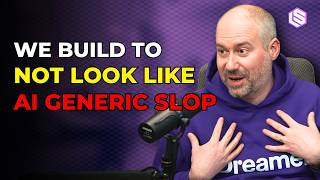
David Singleton
Dreamer is a place where everyone can discover, build and enjoy AI agents. Tool builders on Dreamer get paid in proportion to usage.