
Digital Twins
DIJ-ih-tul twinz
Also known as: digital twin, virtual replica
What are Digital Twins?
Digital twins are virtual replicas of physical objects, processes, or systems that are continuously updated with real-world data. They allow organizations to simulate, predict, and optimize the performance of their physical counterparts without the cost or risk of experimenting on the real thing.
In the context of AI, digital twins become significantly more powerful. By combining real-time sensor data with AI models, organizations can move from passive monitoring to active prediction and autonomous optimization. A digital twin of a factory floor, for example, can predict equipment failures before they happen, optimize energy usage, and simulate the impact of process changes.
Key Characteristics
- Real-time synchronization with physical assets via IoT sensors and data feeds
- AI-powered simulation that predicts outcomes and recommends actions
- Multi-scale modeling from individual components to entire supply chains
- Bidirectional feedback where insights from the twin inform changes to the physical system
Why Digital Twins Matter
Digital twins represent one of the clearest paths for AI to create value in industrial and manufacturing sectors. While much of the AI conversation focuses on knowledge work and software, digital twins bridge the gap between AI intelligence and physical world operations.
Satya Nadella highlighted Microsoft’s partnership with Siemens to add intelligence layers to their digital twins, suggesting that German industrial equipment makers could become major beneficiaries of the AI buildout. The vision is that digital data from equipment deployed worldwide feeds back into AI models that make the equipment smarter, creating a flywheel of physical-digital intelligence.
Historical Context
The concept of digital twins originated at NASA in the early 2000s for spacecraft simulation. It gained broader industrial adoption through companies like Siemens, GE, and PTC in the 2010s. The addition of AI and machine learning capabilities in the 2020s transformed digital twins from static models into dynamic, predictive systems.
Related Reading
- Enterprise AI - The business context for digital twin deployment
- Satya Nadella - Advocates for AI-powered digital twins through Siemens partnership
Mentioned In
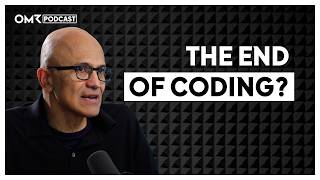
Satya Nadella
One of the things that we're working with Siemens are all their digital twins and the intelligence layer in their digital twins.