
Future of Work
AI is fundamentally reshaping employment, skills, and the nature of work itself
The Great Restructuring
The future of work is not a single trend but a convergence of forces: AI agents capable of autonomous work, economic pressure to automate, and a generation of workers unsure which skills will remain valuable. Unlike previous technological shifts that displaced manual labor, AI targets cognitive work directly — writing, analysis, decision-making, creative output, and communication.
This is not a distant scenario. Companies like Klarna have already halved their workforce. Coding assistants handle the majority of routine software development. Customer support, legal review, and financial analysis are being automated at scale. The question is no longer whether AI will change work, but how fast and how completely.
Three Competing Visions
1. Augmentation
AI makes human workers dramatically more productive. A marketing team of three accomplishes what previously required fifteen. Workers who adopt AI tools command premium compensation. Employment does not collapse — it concentrates around people who can direct AI effectively.
2. Displacement
AI replaces entire job categories with no clear fallback profession. Geoffrey Hinton’s warning — “if you replace human intelligence, where are they going to go?” — captures the concern. This vision sees structural unemployment as inevitable without policy intervention like universal basic income.
3. Transformation
Entirely new categories of work emerge, just as the internet created jobs that were unimaginable in 1990. Skill engineering, AI auditing, agent orchestration, and prompt design may become significant professional fields. The transition is painful but ultimately expands the economy.
What Is Actually Happening
The evidence so far suggests a mix of all three. High-skill workers who adopt AI tools are seeing productivity gains of 30-50%. Entry-level positions are disappearing fastest — companies stop hiring juniors before they lay off seniors. New roles are emerging (AI trainers, prompt engineers, agent managers) but not yet at the scale needed to offset displacement.
The most significant shift may be organizational. Companies are restructuring around AI workflows rather than human hierarchies. The org chart of 2028 will look nothing like 2023.
Implications
For Workers
The safest strategy is adaptability. Skills with the longest shelf life combine domain expertise with AI fluency — not just knowing how to use AI tools, but understanding which problems benefit from human judgment versus automated execution.
For Organizations
Companies that automate without a workforce strategy face two risks: losing institutional knowledge when experienced employees leave, and destroying the consumer base that purchases their products.
For Policy
AI workforce displacement is moving from academic discussion to urgent political reality. Retraining programs, social safety nets, and new labor frameworks are needed at a pace that government rarely achieves.
Related Reading
- AI Workforce Displacement - The displacement dimension in detail
- Agents as Employees - How AI agents are taking on employee roles
- Knowledge Work Disruption - The specific impact on knowledge workers
- Skill Economy - New economic models emerging around AI capabilities
Expert Mentions

Jensen Huang
The number of software engineers at NVIDIA is going to grow, not decline. We just went from 30 million to probably 1 billion coders. Every carpenter, accountant, pharmacist will use AI to elevate their job.

Jon McNeill
I cannot name a technical revolution that's resulted in less GDP and less jobs. 800,000 telephone operators were replaced, but toll-free calls created call centers employing millions plus hundreds of software firms.
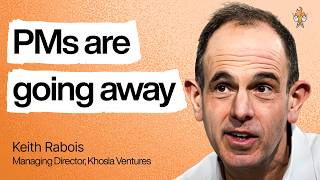
Keith Rabois
The idea of a PM makes no sense in the future. The skill is more like being a CEO now. The number one consumer of tokens is the CMO — they don't need to rely on deputies to get actual work product.